Thinking about a move to Harrisonburg and wondering where you’ll feel most at home? Whether you’re joining James Madison University, working with Sentara RMH, or seeking a Shenandoah Valley lifestyle, getting a quick feel for neighborhoods will help you land with confidence. In this guide, you’ll learn how different areas live day to day, what parks and amenities shape local life, and how to preview the city before you visit. Let’s dive in.
Harrisonburg at a glance
Harrisonburg is a compact, culturally rich city of about 51,000 residents with notable diversity and a significant international community. You’ll find a wide mix of housing and a strong rental market near the universities, reflected in a citywide owner-occupancy rate under 40 percent and a median value for owner-occupied homes near $299,100 as a baseline reference point. You’ll also feel the influence of JMU and a major regional hospital on commuting patterns and neighborhood demand. For context, JMU enrolls roughly 20–21k students each year, and healthcare and higher education are key employment drivers.
- Population and housing figures: U.S. Census QuickFacts
- JMU enrollment snapshot: JMU Fact Book
How to choose your area
Start with your daily rhythm. Do you want to walk to coffee and dinner, or do you prefer a larger yard and a quiet cul-de-sac? Are you commuting to JMU, downtown, or across the Stone Spring corridor? Your answers point to a handful of well-defined clusters.
Also consider seasonality. Areas close to campus see leasing and moving cycles tied to the academic calendar, which can affect showing times and availability. If proximity to trails, parks, or the farmers market matters, put those pins on your map early.
Neighborhood snapshots by lifestyle
Walkable Downtown and Old Town
If you love being in the center of things, Downtown and adjacent Old Town deliver a lively mix of restaurants, breweries, shops, and year-round community gatherings. The Turner Pavilion anchors the Harrisonburg Farmers Market, which many residents treat as a weekly ritual. Housing here ranges from historic small-lot homes to loft-style apartments and a few condos.
You’ll trade yard size for convenience, but you gain easy access to dining, arts venues, and quick trips to JMU. Expect active turnover and per-square-foot prices that reflect location and walkability.
Near-campus streets around Central Avenue
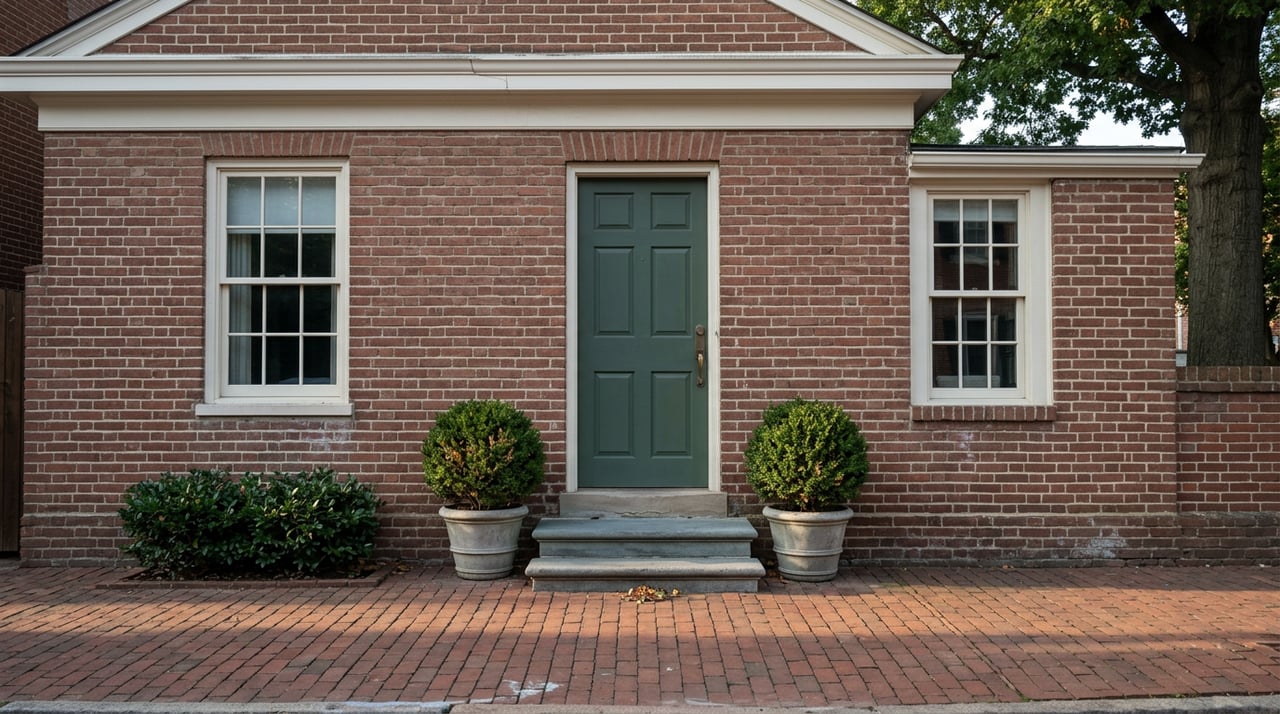
Tree-lined blocks near the heart of JMU feature early and mid-20th-century homes, including bungalows and classic brick styles. Many streets blend long-term residents with rentals, so the vibe can shift by block. Buyers who want a quieter residential feel near campus often find a good fit here.
You’re within easy reach of JMU’s performances and athletics, including the Forbes Center for the Performing Arts and Bridgeforth Stadium. If that’s part of your lifestyle, preview the Forbes Center listings in the regional guide.
North End, Park View, and EMU area
North of downtown, you’ll find a mix of mid-century homes, newer pockets, and apartments associated with Eastern Mennonite University. Families and faculty often appreciate the residential feel and the network of neighborhood trails. The Northend Greenway connects homes, parks, and schools, and it’s a major plus if you value biking or strolling to daily routines. Learn more about the Northend Greenway connection.
Expect a range of lot sizes and the option to trade a longer walk to downtown for yards and neighborhood paths.
South and East: Stone Spring and East Market
If you prefer newer subdivisions and quick access to daily shopping, the Stone Spring corridor and East Market Street area deliver a suburban experience. You’ll see townhouse communities, modern ranches, and contemporary single-family homes, often on larger lots. The area is convenient for commuting to medical facilities and employment centers on the south side of the city.
This cluster is more car-oriented, but it rewards you with space, easy parking, and proximity to big-box retail when you need it.
Crossroads Farm and Massanutten edge
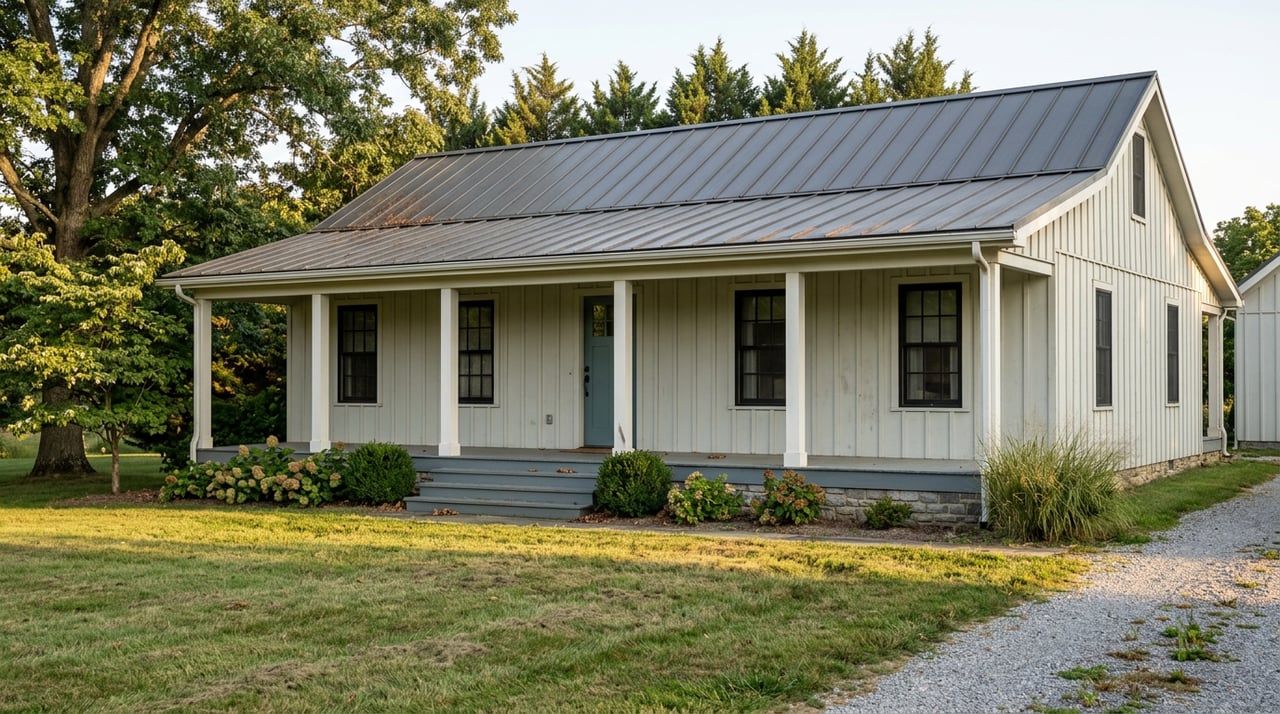
On the suburban-to-rural edge, neighborhoods near Crossroads Farm and the Massanetta Springs area offer newer, larger homes, private yards, and mountain or golf-course views. These are appealing if you want square footage and privacy and are comfortable driving to downtown or campus.
You’ll trade walkability for scenery and quiet, with routes that make I‑81 and regional trips straightforward.
Smaller pockets to know
In addition to the main clusters, you’ll hear about smaller named areas like the Collicello Corridor, Belmont, Park View, and others. These micro-neighborhoods range from historic cottages to well-established suburban enclaves. If you like a certain housing style or block-by-block feel, flag these as “maybes” to explore during your first visit.
Parks, trails, and outdoor access
If you spend weekends outside, Harrisonburg makes it easy. Hillandale Park hosts the Rocktown Trails, a stacked-loop mountain biking and multi-use network that locals love. The variety of routes means beginners and experienced riders can both find their flow.
For a quieter stroll, the Edith J. Carrier Arboretum at JMU offers 125 acres of paths, gardens, and shaded benches. It functions like a community backyard on the edge of campus. Preview the arboretum via its public profile and mission.
If daily walking or biking is part of your routine, the Northend Greenway is a meaningful quality-of-life perk and a reason some buyers favor the North End and EMU-adjacent streets.
Food, markets, and culture
Downtown’s restaurant and craft beverage scene is a big draw. Many residents plan their weekends around the Harrisonburg Farmers Market at Turner Pavilion, which runs year-round and creates a steady community pulse. The city’s events calendar evolves, so double-check dates as you plan. For example, the Rocktown Beer & Music Festival concluded after its 2023 run, as covered by a local outlet; see this note on the festival’s conclusion.
On campus, JMU brings touring productions and university performances through the Forbes Center, enriching the arts mix and reinforcing demand to live within an easy ride or transit hop of campus. Downtown organizations also coordinate markets, music series, and public art that keep the core active.
Getting around and daily commutes
Harrisonburg’s transit system is a practical option for many residents. The city operates a fare-free bus network that links downtown, JMU, and major residential corridors. Check routes and seasonal schedules on the HDPT bus service page.
Biking is common near campus and downtown, and it can reduce the need for a second car. For regional trips, I‑81 is the primary corridor, so plan your commute with on-ramp access in mind if you travel for work.
Schools and family planning
Harrisonburg City Public Schools serves a compact district with several elementary schools, two middle schools, and two high schools. Families often research attendance zones and performance metrics before narrowing down neighborhoods. For current data and school-level profiles, use Virginia’s official portal for Harrisonburg City Public Schools.
If you’re relocating with children, note the rhythm of the academic calendar in housing near JMU. Rental concentration increases closer to campus, while many owner-occupied pockets sit just a bit farther out. Citywide, owner occupancy is about 39–40 percent, reflecting the student and rental footprint. See the baseline figures in U.S. Census QuickFacts.
First-visit itineraries
Half-day walkable preview
- Start at the Harrisonburg Farmers Market at Turner Pavilion to get a feel for local food and community.
- Stroll the surrounding blocks for coffee, lunch, and shop browsing.
- Walk or bus to the JMU Quad and peek in on the Forbes Center exterior to gauge campus proximity and arts access.
- End with a quick green-space pause at Liberty Park before dinner downtown.
One to two-hour drive loop
- Cruise the campus-adjacent streets around Central Avenue to see classic homes and residential pockets.
- Head to the North End and Park View near EMU for neighborhood trails and family-friendly blocks.
- Drive south to Stone Spring and East Market to sample newer subdivisions and retail convenience.
- Finish at Hillandale Park for a short walk on the Rocktown Trails and a feel for outdoor access.
Buying smart in a campus town
- Set expectations with solid baseline data. Citywide figures like the median value for owner-occupied homes provide context, but on-the-ground listing prices will vary by neighborhood, lot size, and finish level. See U.S. Census QuickFacts for current baseline data.
- Plan around the academic calendar when touring near campus. Showing windows and availability can ebb and flow with student move-ins and lease cycles.
- Factor in parking, transit, and biking. In walkable neighborhoods, bus routes and bike storage can matter as much as driveway space.
- Think long term about lifestyle demand. Areas close to JMU, transit lines, and downtown amenities tend to stay attractive to both owners and renters.
How we can help
If you want a clear, calm path into the market, you deserve a guide who pairs local knowledge with practical support. As a supervising broker serving the Shenandoah Valley, I help relocation buyers compare neighborhoods by lifestyle, preview homes efficiently, and see each property’s potential. For sellers preparing a move, our design-forward approach and integrated Bluebird Construction & Design services streamline updates and staging so you capture value with less stress.
Ready to explore Harrisonburg with a plan that fits your life? Let’s connect and make your next move both informed and enjoyable. Mary Beth Harris. Let me help you find a house and create a home.
FAQs
What is Harrisonburg’s population and character?
- The city has about 51,000 residents and a diverse, international community, with neighborhood demand shaped by JMU and a major regional hospital. See U.S. Census QuickFacts and JMU’s enrollment data for context.
Which Harrisonburg areas are most walkable to downtown?
- Downtown and Old Town offer the highest walkability for dining and the year-round farmers market at Turner Pavilion. Nearby campus-adjacent streets are also close, and the fare-free HDPT bus system connects many residential corridors.
How does student housing affect buying near JMU?
- Rental concentration is higher close to campus, while owner-occupied neighborhoods are often a bit farther out. Citywide, owner occupancy is about 39–40 percent, per U.S. Census QuickFacts.
Where can I find trails and green space in Harrisonburg?
- Explore the Rocktown Trails at Hillandale Park for mountain biking and multi-use loops, the Edith J. Carrier Arboretum for peaceful walks, and the Northend Greenway for everyday biking and strolls.
How can I check Harrisonburg public school information?
- Use Virginia’s official School Quality Profile for up-to-date district and school data for Harrisonburg City Public Schools.
What events and food experiences define downtown Harrisonburg?
- Start with the year-round Harrisonburg Farmers Market and a mix of locally owned restaurants and breweries. Note that the Rocktown Beer & Music Festival concluded after 2023, per a local report on the festival’s conclusion.