Dreaming about a mountain getaway sounds easy. Choosing the right second home in Hot Springs is where the real planning begins. If you want a place to unplug, recharge, and enjoy the Bath County landscape, you need more than a pretty house. You need a property that fits the area’s rhythm, climate, and day-to-day realities. Let’s dive in.
Why Hot Springs Appeals to Second-Home Buyers
Hot Springs offers a very specific kind of second-home lifestyle. Bath County describes itself as a mountain county known for natural mineral springs, scenic beauty, and a slower pace. That makes this area feel more like a retreat than a typical weekend commuter market.
If you are searching for a second home here, you are likely drawn to quiet time, outdoor recreation, and a strong sense of place. Local tourism materials highlight experiences tied to rest and restoration, including the Warm Springs Pools, the Omni Homestead, farm-to-table dining, hiking, and mountain scenery. In other words, Hot Springs tends to suit buyers who want a base for seasonal escapes rather than nonstop in-town convenience.
Lake Moomaw and the George Washington and Jefferson National Forests add even more appeal. Lake Moomaw includes campgrounds, swim beaches, boat ramps, fishing piers, scenic trails, and more than 40 miles of undeveloped shoreline. For many buyers, that mix of water access, forest recreation, and open space is a major part of the draw.
Know the Rural Reality First
Before you focus on finishes or views, make sure the area’s practical side works for you. Bath County notes that many places are rural and without cell service. For a part-time owner, that is not a small detail.
A second home in Hot Springs may offer peace and privacy, but it can also require more planning around communication, maintenance, and travel. If you expect to work remotely, monitor the house from afar, or stay connected on short trips, you will want to verify service at the specific property, not just in the general area.
This is one of the biggest mindset shifts for buyers coming from more built-out markets. In Hot Springs, the setting is often part of the value, but that same setting can affect access, utilities, and ease of ownership.
Climate Should Shape Your Purchase
Hot Springs sits at elevation, and the climate reflects that. NOAA’s 1991 to 2020 normals for the Hot Springs station show average January temperatures of 39.8°F for highs and 21.5°F for lows. In July, average highs and lows are 82.1°F and 60.2°F.
That means you can expect four true seasons. The area averages 46.50 inches of annual precipitation and 25.3 inches of annual snowfall. Snowfall is concentrated in colder months, with average snowfall of 8.0 inches in January, 7.0 inches in February, 4.6 inches in March, and 4.5 inches in December.
For second-home ownership, this matters in practical ways. A cozy mountain house may look perfect in summer, but winter conditions can affect road access, heating needs, drainage, and freeze protection. You want a home that is comfortable to enjoy and also realistic to maintain when you are not there full time.
What to Notice on the Property
When you tour homes, pay close attention to features that support year-round use:
- Reliable heating systems
- Good insulation
- Roof drainage that handles snow and rain
- Covered entries
- Outdoor spaces with both shade and weather protection
- Storage for coats, boots, and recreation gear
These details may not be as exciting as a porch view, but they can make a second home much easier to own. In a mountain market, smart design and low-maintenance choices often matter just as much as location.
Utilities Can Vary by Property
One of the most important questions in Hot Springs is whether the home is served by public utilities or private systems. Bath County’s Service Authority provides water and wastewater service to Hot Springs and some nearby communities. That means some homes may have public water and sewer, while others may rely on private wells and septic systems.
You should confirm utility type early in your search. This is especially important if you are thinking about future updates, guest use, or changes to the home’s layout.
If a property is not served by public sewer or water, Virginia requires permitting for a sewage disposal system and private well before the county issues a building permit. That makes septic and well status a key due-diligence item, especially if you may want to renovate or add bedrooms later.
Why Well and Septic Records Matter
Virginia says private well owners are responsible for operation, maintenance, and regular testing. Local health departments keep records on private wells and sewage disposal systems, and Bath County buyers can look to the Bath County Health Department in Warm Springs for records-search guidance.
This step can help you understand what is already approved for the property. It can also help you avoid assumptions about occupancy, expansion, or future building plans.
Winter Access Deserves Extra Attention
A second home should feel relaxing, not stressful to reach. In a mountain setting like Hot Springs, winter access deserves close review before you buy.
VDOT notes that state-maintained roads are cleared in priority order, with neighborhood and subdivision streets treated later. In rural areas, conditions can vary from one road to the next, and limited cell coverage can also affect how easily you monitor travel conditions.
That is why road access should be reviewed as a property-specific issue. A home that feels easy to reach in fair weather may be very different after snow or freezing conditions.
Ask These Access Questions
Before you commit to a second-home purchase, verify:
- Whether the road is state maintained
- How the route typically performs in winter weather
- Whether the driveway has slope or drainage issues
- How easy it is for service providers to reach the home
- Whether cell coverage is strong enough for remote coordination
These details can make a big difference if you plan to visit year-round or manage the home from another city.
Design for Easy, Part-Time Ownership
The best second homes are not just beautiful. They are easy to arrive at, easy to shut down, and easy to maintain.
In Hot Springs, that often means choosing a property with a practical layout and durable materials. Mountain weather, outdoor recreation, and part-time use all point toward simple, low-stress design choices.
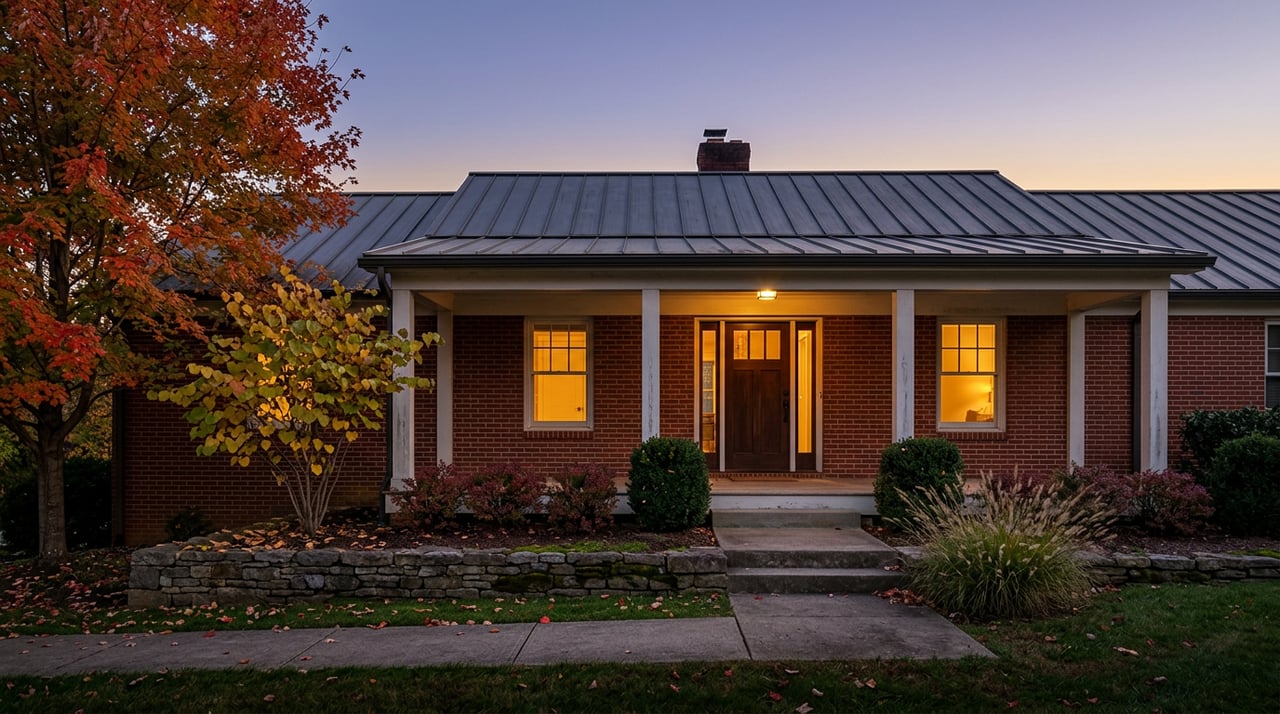
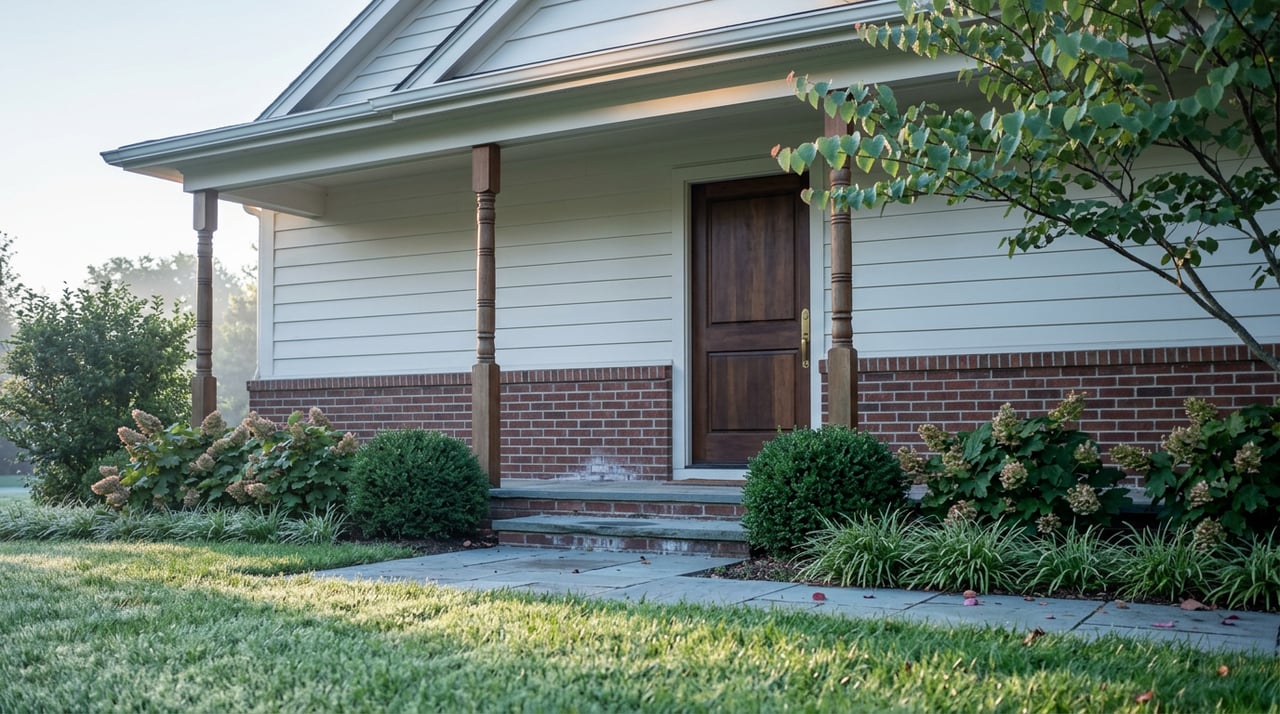
Features like covered porches, durable flooring, a mudroom or gear drop zone, and screened or covered outdoor space can support the way people actually use a retreat property. Good storage also helps keep seasonal gear, wet boots, and coats contained.
This is where a design-aware approach can add real value. If you are comparing homes with renovation potential, think beyond cosmetics. Ask how easily the property could be adapted for comfort, durability, and simpler maintenance over time.
Considering Occasional Rental Use
Some buyers consider occasional rental use to offset ownership costs. If that is part of your thinking, start with local confirmation before you make plans.
Bath County has surfaced public materials related to a draft short-term rental ordinance, including proposed permit requirements, annual renewal, a 24-hour phone number, a local person in charge if the owner lives more than 15 miles away, parking standards, emergency information, and bedroom limits tied to public sewer or septic approval. Because the materials identified in the research are draft documents, buyers should confirm the county’s current rules with Bath County Planning and Zoning before relying on rental income assumptions.
Even if you never rent the home, those draft standards point to smart ownership habits. Off-street parking, clearly labeled utility shutoffs, organized trash storage, and a layout that matches the property’s approved capacity can all make a second home easier to manage.
Your Best Pre-Purchase Checklist
If you are serious about buying a second home in Hot Springs, focus on three parcel-specific items before you fall in love with a property:
- Utility type: public water and sewer, or private well and septic
- Winter road access: how the property is reached and maintained in snow
- Communication coverage: whether cell service supports remote ownership
Those basics can shape your ownership experience just as much as price, size, or style. In a retreat-oriented market, fit matters.
Why Local Guidance Matters
A second-home purchase in Hot Springs is rarely just about square footage. It is about choosing the right property for mountain living, seasonal use, and your long-term goals.
That is where thoughtful local guidance can make the process smoother. When you understand the property’s systems, access, and design potential from the start, you can buy with more confidence and fewer surprises.
If you are exploring a second-home purchase in Hot Springs and want a practical, design-aware perspective, Mary Beth Harris can help you find a house and create a home.
FAQs
What makes Hot Springs, Virginia attractive for a second home?
- Hot Springs appeals to buyers who want a retreat-oriented mountain setting with access to mineral springs, hiking, scenic views, Lake Moomaw, and a slower pace of life.
What climate factors matter when buying a second home in Hot Springs?
- Hot Springs has four distinct seasons, with average annual snowfall of 25.3 inches and winter temperatures that make heating, insulation, drainage, and freeze protection important for part-time owners.
What utility questions should second-home buyers ask in Hot Springs?
- You should confirm whether a property has public water and sewer or relies on a private well and septic system, since that can affect maintenance, records review, and future renovation plans.
What road access issues should buyers check in Bath County?
- You should verify how the property is accessed in winter, whether roads are state maintained, how the driveway handles snow or drainage, and whether service providers can easily reach the home.
Can you use a second home in Hot Springs as a short-term rental?
- Buyers should confirm current Bath County rules with Planning and Zoning before planning rental use, since the public materials identified in the research referenced draft short-term rental regulations rather than a clearly posted final codified version.