Thinking about buying a historic home in Lexington, VA? It is easy to fall for the front porch, slate roof, or old brick facade before you know what comes with owning one of these special properties. If you want charm and a smart plan, this guide will help you understand what to look for, what to budget for, and how to think through updates before you buy. Let’s dive in.
What makes a home historic in Lexington?
In Lexington, a historic home is not just a house that happens to be old. The city’s historic housing stock sits within a documented historic district that was listed in the Virginia Landmarks Register in 1971 and the National Register in 1972, with updated documentation in 2019 that kept the same boundaries.
That matters because district status can affect what you can change on the outside of a home. The Lexington Historic District includes a large collection of properties, with 417 contributing and 65 noncontributing resources documented in the update, so historic status here is woven into the city’s fabric rather than limited to a few landmark homes.
Before you move forward on a purchase, confirm whether the property sits inside one of Lexington’s designated historic areas. That one detail can shape your renovation timeline, approval process, and long-term ownership experience.
Why Lexington historic homes stand out
Lexington offers an unusually broad mix of architectural styles. You may see Colonial, Georgian, Federal, Greek Revival, Gothic Revival, Italianate, Queen Anne, Colonial Revival, Tudor Revival, Craftsman, Art Deco, and more, sometimes all within a relatively compact area.
You will also find specific house forms and details that give Lexington its character. Brick row houses, temple-front homes, Picturesque Cottages, board-and-batten cottages, white-columned porches, and late-19th-century and early-20th-century frame houses all appear in the city’s documented historic fabric.
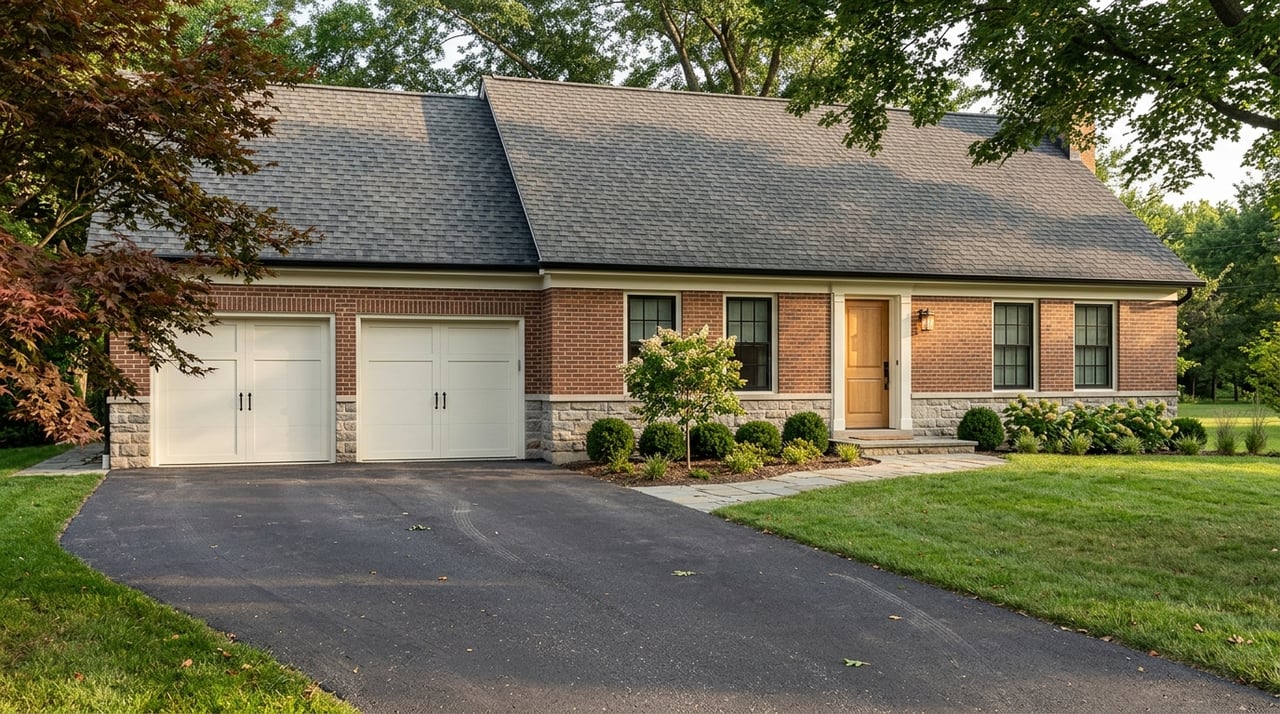
Exterior materials vary too. Brick, stucco, wood weatherboard, stone, and slate are all common, and rooflines can include side-gable, front-gable, hipped, mansard, shed, and more complex combinations.
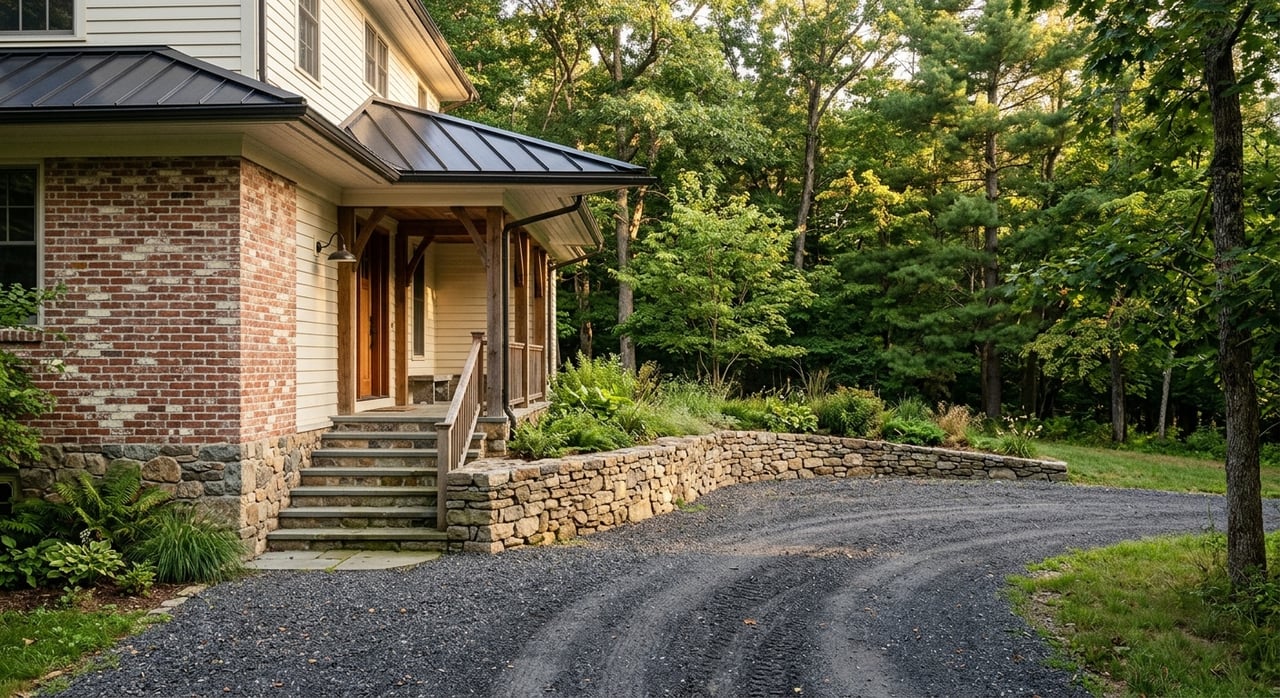
Porches are especially important in Lexington. The city’s design guidance treats them as focal points on many historic facades, which means a porch is not just a lifestyle feature. It is often part of what gives a home its architectural identity.
What to evaluate beyond curb appeal
A historic home can look simple from the street but still have layers of old and newer work. A house may include original materials, later additions, altered windows, updated siding, or roofing changes that affect both condition and future planning.
When you tour a home, look past surface charm and pay close attention to the building envelope. Roof condition, porch structure, window type, moisture management, and material compatibility often matter as much as paint colors or kitchen finishes.
This is one area where a design-aware buying strategy helps. If you can tell the difference between original character and later changes, you can make better decisions about value, future improvements, and resale appeal.
Understand Lexington’s review process early
If a home is located in one of Lexington’s historic districts, exterior work may require review by the city’s Architectural Review Board. In the Downtown Historic Preservation District, that review can apply to additions, demolition, exterior renovations, color changes, fences, walls, walkways, and signs.
In residential historic districts, the board also reviews demolition, moving, and new construction. Even if your planned project seems modest, it is smart to ask early whether review may be required.
Lexington also requires a building permit before constructing, enlarging, altering, or demolishing a structure, including electrical, plumbing, and mechanical work. For additions and new construction, drawings and a site plan are required.
How updates are typically viewed
Lexington’s local guidance favors repair before replacement. That means if original windows, doors, or porch elements can be repaired, that is usually the preferred path.
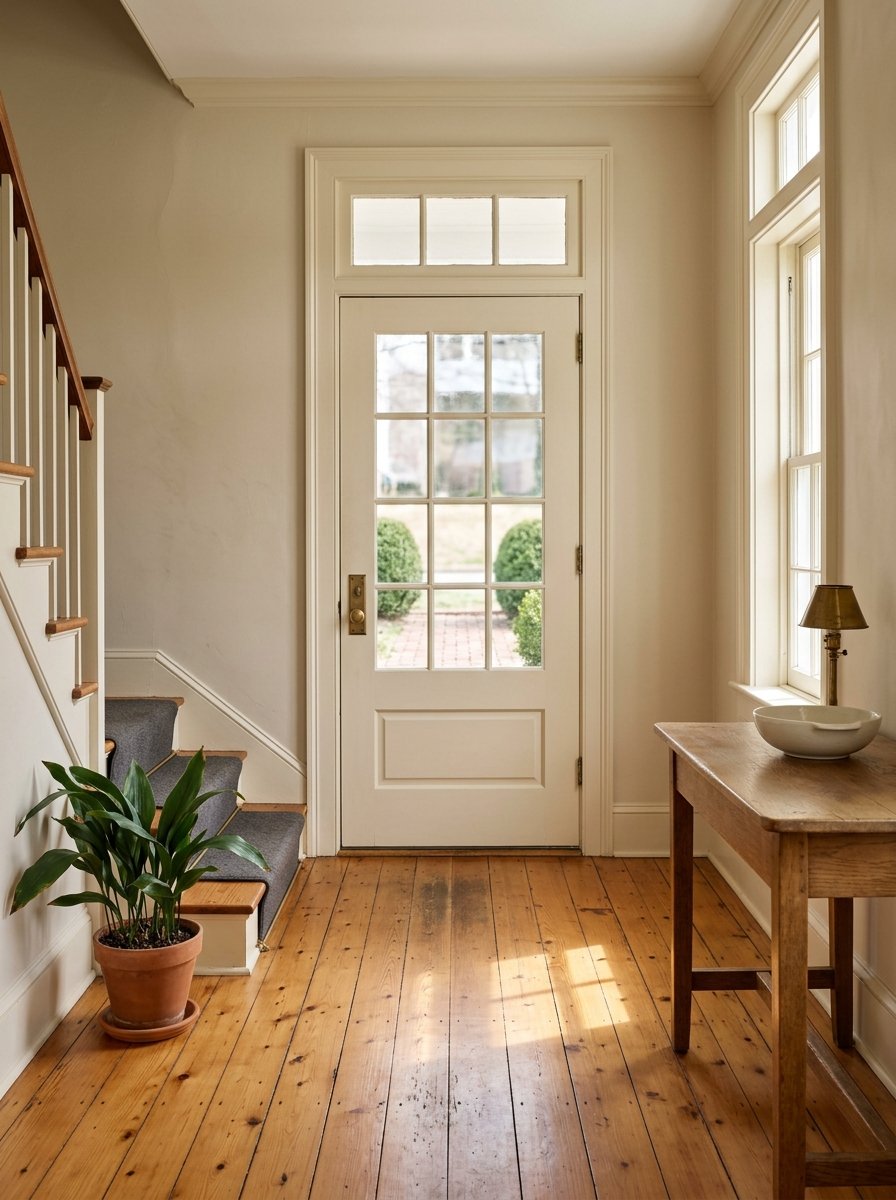
For windows, the city recommends preserving original units when possible and discourages vinyl replacement windows. For shutters and doors, wood and wood-composite materials are generally preferred, with sizing and proportions that fit the original opening.
The city also allows thoughtful updates. Low-e or translucent glass may be used when energy performance is a concern, and additions can be traditional, contemporary, or simplified in design as long as they remain compatible with the original structure.
What good additions look like in Lexington
If you want more space, the best plan is usually not the biggest one. Lexington’s guidelines generally favor additions placed toward the rear of the home, kept smaller than the original structure, and designed to remain subordinate in scale and massing.
Compatibility matters more than imitation. A successful addition respects the home’s roof form, proportions, materials, and window pattern without pretending to be original.
That is good news for buyers who want a house that works for modern life. You do not have to freeze a home in time, but you do need a plan that respects what makes it special.
Budget for structure before finishes
When you buy a historic home, it helps to think in the right order. Before you price out cosmetic updates, focus on the major components that protect the house and support day-to-day comfort.
A smart starting list often includes:
- Roof condition
- Porch structure and integrity
- Windows and repair needs
- Moisture management
- Electrical systems
- Plumbing systems
- HVAC systems
This sequence fits both Lexington’s permit requirements and the broader rehabilitation approach that emphasizes preserving historic character while making the building usable and durable.
Historic tax credit opportunities in Virginia
For some buyers, Virginia’s Historic Rehabilitation Credit may be an important budgeting tool. The state credit equals 25% of eligible expenses for qualifying projects.
The required rehab amount generally must equal at least 50% of the building’s assessed value before work begins, or 25% if the home is owner-occupied. The work must meet the Secretary of the Interior’s Standards for Rehabilitation, and eligible expenses generally include structural work and some site work, while most enlargements and additions do not qualify.
The federal historic rehabilitation credit works differently. It is a 20% credit for certified historic structures, but owner-occupied residential properties generally do not qualify, which makes the Virginia program more relevant for many buyers planning to live in the home themselves.
Common decision points for buyers
Historic-home purchases often hinge on a few key questions. If you answer these early, you can avoid surprises later.
Is the home in a designated historic district?
If yes, exterior changes may need local review. That can affect your timeline, contractor planning, and design choices.
Are the original windows and porch repairable?
If they are, preserving them may support both the home’s historic character and its long-term resale appeal better than replacing them outright.
Do you want to add square footage?
If so, a smaller rear addition that stays secondary to the original structure is usually more aligned with Lexington’s guidance than a large, highly visible expansion.
Are you budgeting for finishes before systems?
It is tempting to start with paint, fixtures, and decor. In a historic house, the wiser move is usually to secure the roof, structure, moisture control, and mechanical systems first.
A design-forward way to buy wisely
Historic homes ask you to balance emotion and practicality. You want to preserve the details that made you fall in love with the house while making sure the property supports how you actually live.
That balance is often where local guidance matters most. In Lexington, the strongest plans tend to protect the street-facing character of the home, repair what can be saved, and place necessary changes where they have less visual impact.
For buyers who are renovation-minded, that can be a real advantage. With the right planning, you can improve comfort and function without stripping away the very features that make a Lexington historic home worth owning.
Buying with the right local perspective
In a market like Lexington, buying a historic home is about more than square footage and finishes. It is about understanding district status, local review, building condition, and the design choices that hold value over time.
That is why local experience matters. A knowledgeable guide can help you see not only what a house is today, but also what is realistic, compatible, and worth investing in next.
If you are considering a historic home in Lexington or anywhere in Rockbridge County, Mary Beth Harris can help you evaluate the property, understand the local process, and think through its potential with a design-aware, full-service approach. Let me help you find a house and create a home.
FAQs
What does historic district status mean for a home in Lexington, VA?
- Historic district status can affect exterior changes to a property, including whether certain work may need review by Lexington’s Architectural Review Board.
What architectural styles are common in Lexington historic homes?
- Lexington historic homes include a wide range of styles such as Colonial, Federal, Greek Revival, Gothic Revival, Italianate, Queen Anne, Colonial Revival, Tudor Revival, Craftsman, and Art Deco.
What exterior features should buyers inspect on a historic home in Lexington?
- Buyers should pay close attention to the roof, porch condition, windows, exterior materials, and signs of moisture issues or incompatible past alterations.
What kinds of home projects may need approval in Lexington historic districts?
- Depending on the property and district, projects such as additions, demolition, exterior renovations, color changes, fences, walls, walkways, moving a structure, or new construction may need local review.
Can you replace old windows in a Lexington historic home?
- Lexington’s local guidance generally favors repairing original windows before replacing them and discourages vinyl replacement windows.
Are there historic tax credits for owner-occupied homes in Virginia?
- Virginia’s Historic Rehabilitation Credit may apply to qualifying owner-occupied projects, while the federal 20% historic rehabilitation credit generally does not apply to owner-occupied residential properties.
How should buyers budget for updates to a historic home in Lexington?
- A practical approach is to prioritize the roof, porch, windows, moisture management, and major systems like electrical, plumbing, and HVAC before cosmetic improvements.