Wondering whether that charming older house in Lexington is a hidden gem or a costly headache? You are not alone. In a city with a large share of older homes, buying a fixer-upper can be a smart move, but only if you go in with clear eyes, a realistic budget, and a plan for repairs, approvals, and resale. Let’s dive in.
Why fixer-uppers are common in Lexington
Lexington has an older housing stock, which naturally creates more fixer-upper opportunities than a market filled with newer construction. The city’s comprehensive plan says more than one-third of homes were built before 1940, and more than 75% were built before 1980. It also notes that only eight new housing units were built between 2010 and 2015.
That matters because older homes often come with character, established locations, and architectural details that are hard to replicate today. It also means you may run into aging systems, outdated layouts, and repairs that are more involved than they first appear. In Lexington, both of those things can be true at the same time.
What makes a Lexington fixer-upper appealing
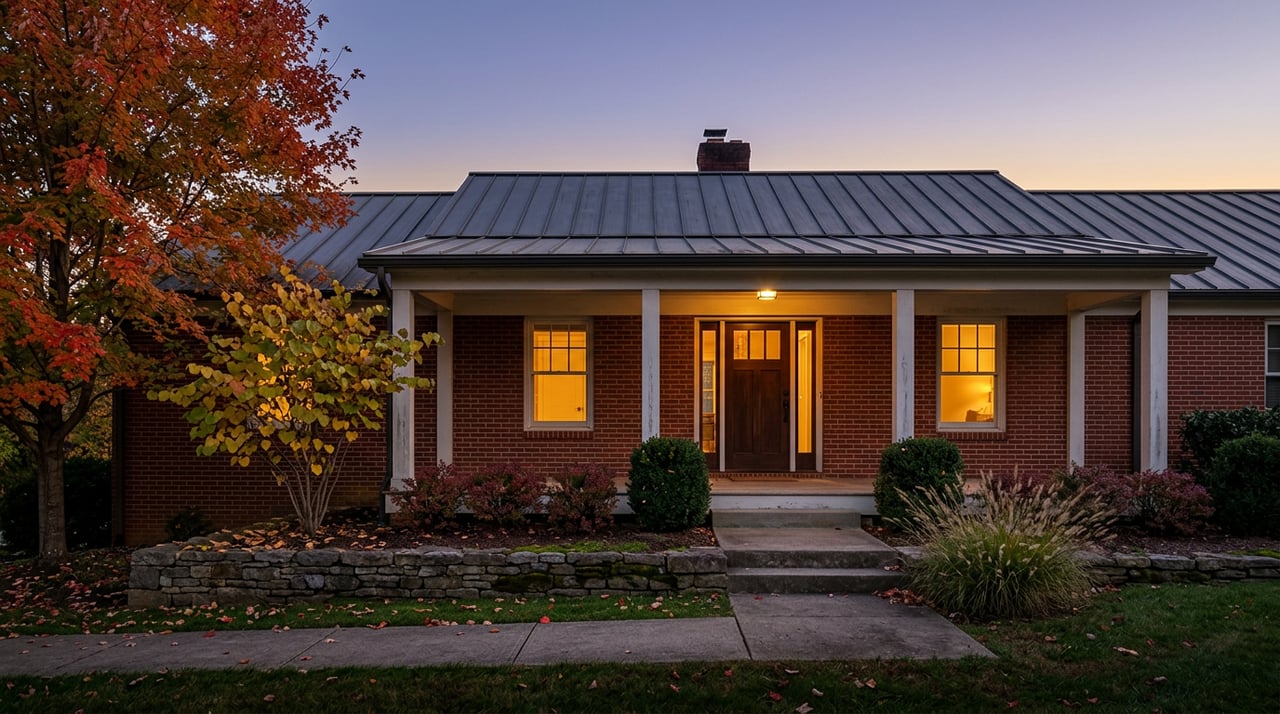
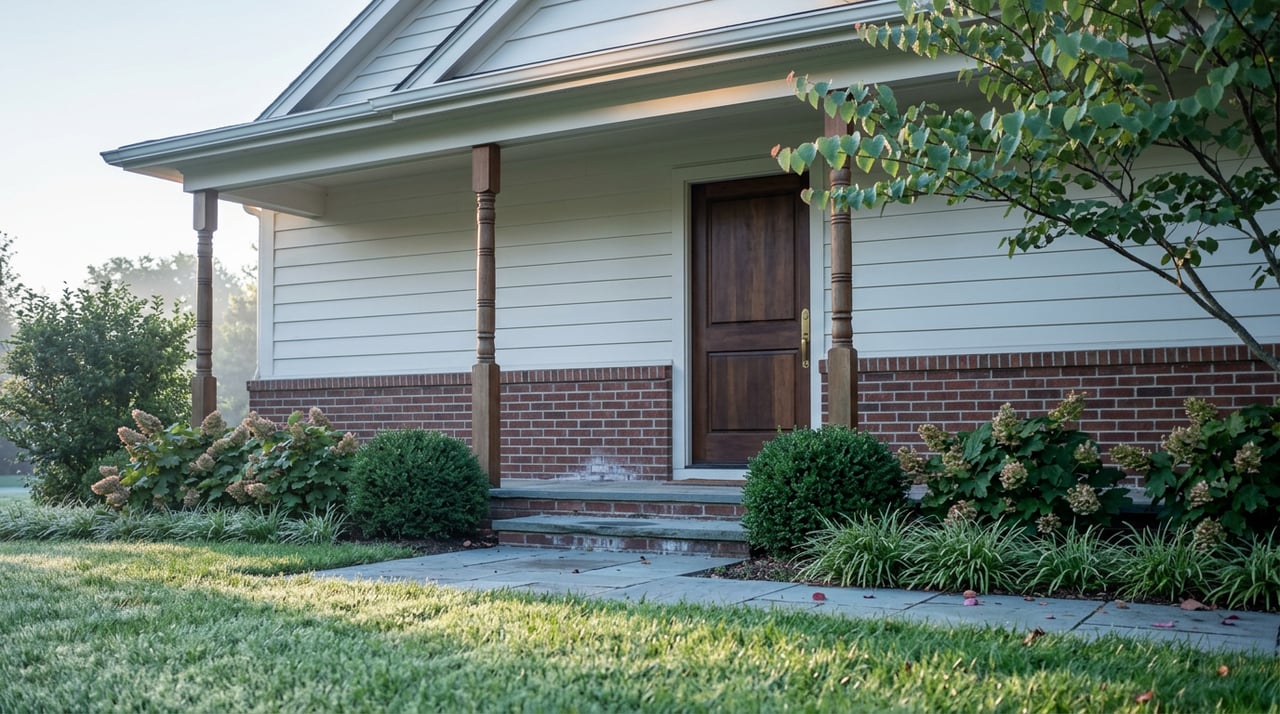
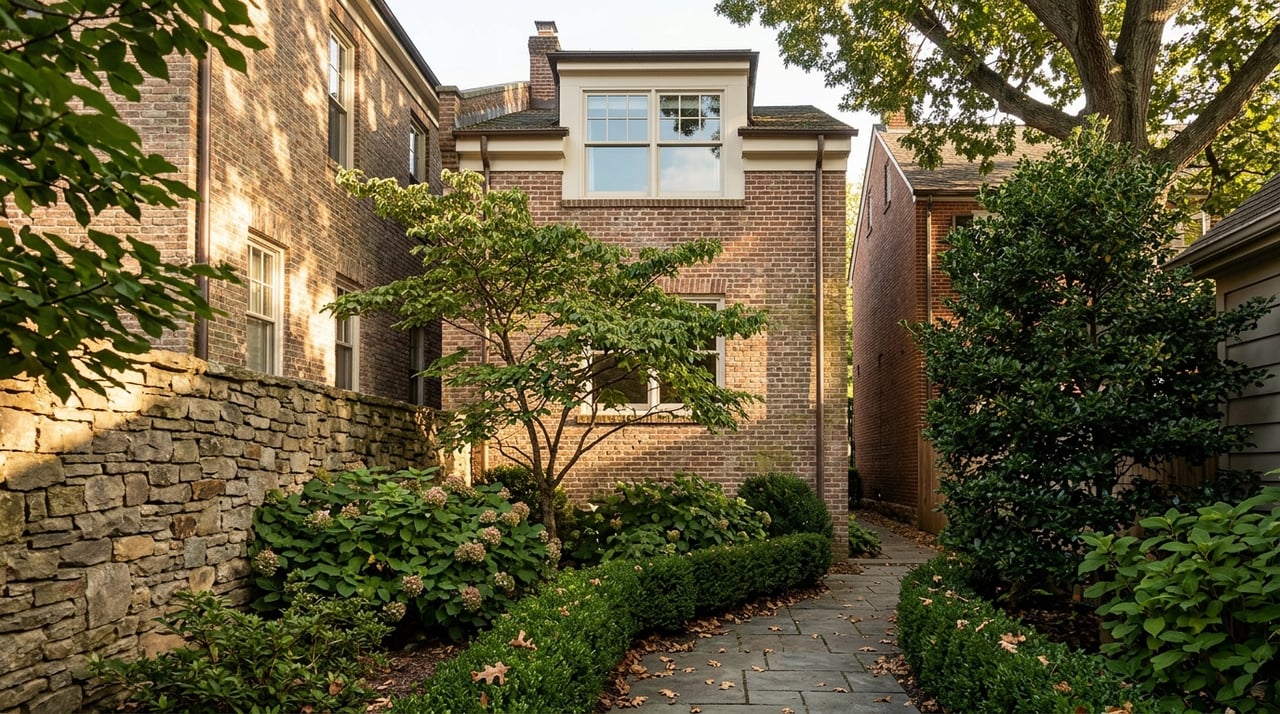
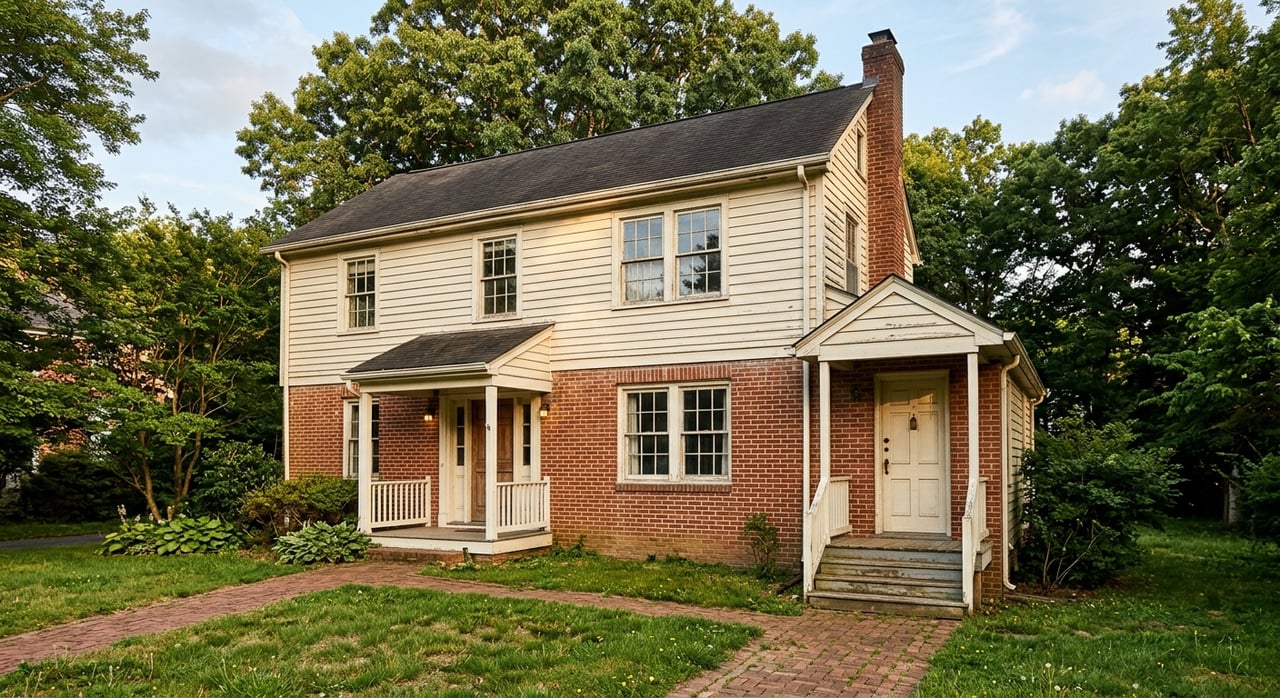
Many of Lexington’s older homes reflect styles identified in the city’s historic district guidance, including Greek Revival, Italianate, Colonial Revival, and Craftsman. Porches are also a defining residential feature in historic areas. If you love original trim, older materials, and classic curb appeal, a fixer-upper here can offer real charm.
For some buyers, that charm is the whole point. You may be able to buy a home with strong bones and improve function over time while preserving the details that make it feel distinctly Lexington. That can be especially appealing if you want a home with personality rather than a more standard layout.
Where the risks can show up
The same qualities that make an older home attractive can also create bigger renovation surprises. Lexington’s comprehensive plan notes that older homes may not meet current accessibility or energy-efficiency needs and may require complex, costly repairs as they age.
In practical terms, that can mean updates to roofing, windows, plumbing, electrical, heating and cooling, insulation, ventilation, and moisture control. Kitchens and bathrooms may also need more than cosmetic work if the layout, systems, or finishes are significantly dated. A pretty front porch does not tell you what is happening behind the walls.
Today’s market may create opportunity
Current market trackers suggest Lexington may offer buyers some leverage. Realtor.com described Lexington as a buyer’s market in March 2026, with a median listing price around $359,000 and average days on market of 53.
That does not guarantee a bargain, and renovation math should always be checked against the specific neighborhood and current comparable sales. Still, a market with a bit more breathing room can give you time to inspect carefully, negotiate thoughtfully, and avoid rushing into a project that does not make financial sense.
Start with the right budget
A fixer-upper budget needs to go far beyond the purchase price. You should separate what it takes to buy the home from what it takes to make the home livable, efficient, and appealing.
A practical budget should include:
- Down payment and closing costs
- Mortgage payment
- Property taxes and insurance
- Utilities
- Maintenance and repair costs
- Renovation budget
- Emergency reserves
The Consumer Financial Protection Bureau says closing costs are typically about 2% to 5% of the purchase price. It also recommends keeping an emergency cushion of roughly three to six months of expenses. For a fixer-upper, that cushion is especially important because older homes have a way of revealing surprises after closing.
Get the inspection early
If you are serious about buying a fixer-upper in Lexington, an early and thorough inspection is one of your most important steps. The Consumer Financial Protection Bureau advises buyers to schedule the inspection early and try to keep the offer contingent on a satisfactory inspection.
An inspection can uncover major issues before you are too far into the process. It may also support repair requests, credits, or a decision to walk away if the contract allows. On a home that needs work, the inspection is not just a box to check. It is part of your financial decision.
Focus on the repairs that matter most
Not every renovation adds value in the same way. In Lexington, the smartest fixer-upper projects usually start with the basics: structure, safety, moisture control, systems, and permits.
Common priorities for older homes often include:
- Roofing and exterior shell repairs
- Plumbing and electrical updates
- Heating and cooling improvements
- Insulation and air sealing
- Moisture control and ventilation
- Kitchen and bathroom improvements
- Accessibility updates where needed
Visible functionality matters to buyers, not just finishes. The 2025 Remodeling Impact Report from NAR says 46% of buyers are less willing to compromise on home condition. That is a useful reminder that a home needs to work well, not just photograph well.
Historic district rules can affect your plans
This is where Lexington becomes especially important to understand before you buy. Exterior work may trigger local review depending on where the property is located.
The city says the Architectural Review Board reviews exterior modifications in the Downtown Historic Preservation District, including additions, demolition, exterior renovation, color changes, fences, walls, walkways, and signs. In the Residential Historical Districts, the board reviews demolition, moving, and new main or accessory buildings.
That does not mean you should avoid historic homes. It does mean you need to understand what is allowed, what requires approval, and how that may affect timing and design choices. If your vision for the house depends on major exterior changes, check that early.
Permits should be part of your timeline
Lexington’s permit process also matters for budgeting and scheduling. The city requires a building permit before constructing, enlarging, altering, or demolishing a structure, including electrical, plumbing, or mechanical work, though ordinary repairs are exempt.
The city says residential building permit fees are 0.60% of estimated construction cost, with a minimum fee of $60 plus a $75 zoning permit fee. It also notes that historic-district Certificate of Appropriateness applications for non-sign work are $120. Work done without a permit can lead to fines at double the permit fee up to $250.
Just as important, permits may only be issued to state-licensed contractors or building owners. If you are pricing a project, these details should be part of your plan from the start.
Lead-safe planning matters in older homes
If the house was built before 1978, lead-safe renovation planning should be on your radar. The EPA says homes built before 1978 are more likely to contain lead-based paint, and common renovation activities like sanding, painting, and window replacement can create hazardous dust.
For covered work, the EPA requires lead-safe certified firms. The risk is even higher in very old homes. The EPA notes that 87% of homes built before 1940 have some lead-based paint. In Lexington, where many homes date to those eras, this is not a minor detail.
Financing options can help
Some buyers assume they need to pay for all repairs out of pocket, but that is not always the case. HUD’s 203(k) program allows eligible buyers to finance the purchase or refinance of a home plus rehabilitation costs for a property that is at least one year old.
According to HUD, the Limited 203(k) can finance up to $75,000 in repairs or improvements for smaller, non-structural work. The Standard 203(k) is designed for major rehab and has a minimum repair threshold of $5,000. HUD also notes that Title 1 property improvement loans may be another option when the borrower is not also buying or refinancing.
The right financing path depends on your scope, timeline, and goals. If you are comparing properties, it helps to evaluate not just list price, but whether the work is manageable under the financing you plan to use.
Think carefully about resale
Even if you plan to stay for years, resale still matters. The strongest fixer-upper outcomes usually happen when the renovation scope matches the home’s price bracket and neighborhood context.
That is especially true in a market like Lexington, where charm can support value, but over-improving a property beyond local comparables can limit your return. A practical rule of thumb is to prioritize improvements that make the home more functional, more efficient, and easier to maintain.
The 2025 Remodeling Impact Report says homeowners spent a median of $60,000 on a kitchen overhaul, and REALTORS estimated about 75% cost recovery at resale on average. That does not mean kitchens are a bad investment. It means you should renovate with the market in mind, not just personal taste.
Curb appeal still counts
For fixer-uppers, exterior condition shapes first impressions long before buyers evaluate finishes or floor plans. NAR’s outdoor-features report says 92% of REALTORS recommend improving curb appeal before listing, and 97% say curb appeal is important to attracting buyers.
In Lexington, that can be especially relevant when a home has a visible porch, older siding, mature landscaping, or deferred exterior maintenance. Improving the exterior shell, entry experience, and obvious maintenance items can support value and buyer confidence.
When a fixer-upper may make sense
A fixer-upper in Lexington may be a good fit if you:
- Want character and are comfortable with an older home
- Have room in your budget for repairs and surprises
- Can be patient with inspections, permits, and approvals
- Understand the neighborhood’s price range
- Value long-term function more than a quick cosmetic flip
The safest value-add opportunities are often homes with a sound structure, manageable code issues, and a renovation scope that improves usability without pushing the property beyond neighborhood comparables. That is usually a better setup than a house with major foundation problems, moisture intrusion, or extensive unpermitted work.
When you may want to pass
Sometimes the smartest move is to walk away. A fixer-upper may not be the right choice if the home needs major structural work, the permit path is unclear, or the total project cost starts to erase the value opportunity.
You may also want to pause if you need a move-in ready home, have limited cash reserves, or do not have time to coordinate a renovation. In those cases, a home with fewer unknowns may better support your budget and peace of mind.
The value of local guidance
In Lexington, fixer-uppers are not just about renovation taste. They are about local rules, older housing conditions, neighborhood pricing, and realistic project planning.
That is where having a local real estate professional can make a real difference. With the right guidance, you can look beyond surface charm and evaluate whether a property truly fits your goals, timeline, and budget. If you are considering a fixer-upper in Lexington or anywhere in Rockbridge County, Mary Beth Harris can help you find the right opportunity and think through the path from purchase to finished home.
FAQs
Should you buy a fixer-upper in Lexington, VA as a primary home?
- A fixer-upper can make sense if you want character, have a realistic repair budget, and are prepared for inspections, permits, and possible historic review.
What should you inspect before buying an older home in Lexington, VA?
- You should schedule an early, independent home inspection and pay close attention to roofing, moisture issues, plumbing, electrical, heating and cooling, windows, and any signs of unpermitted work.
Do historic homes in Lexington, VA need special approval for renovations?
- Some exterior work may require local review depending on the property’s district, so you should confirm approval requirements before planning major exterior changes.
How much should you budget for a fixer-upper in Lexington, VA?
- Your budget should include purchase costs, closing costs, taxes, insurance, utilities, renovation expenses, and an emergency cushion of about three to six months of expenses.
Are there financing options for fixer-uppers in Lexington, VA?
- Yes, HUD’s 203(k) program can help eligible buyers finance both the home purchase and rehabilitation costs, depending on the size and type of work.
Is lead paint a concern in older Lexington, VA homes?
- Yes, homes built before 1978 are more likely to contain lead-based paint, and many pre-1940 homes may have it, so lead-safe renovation planning is important.