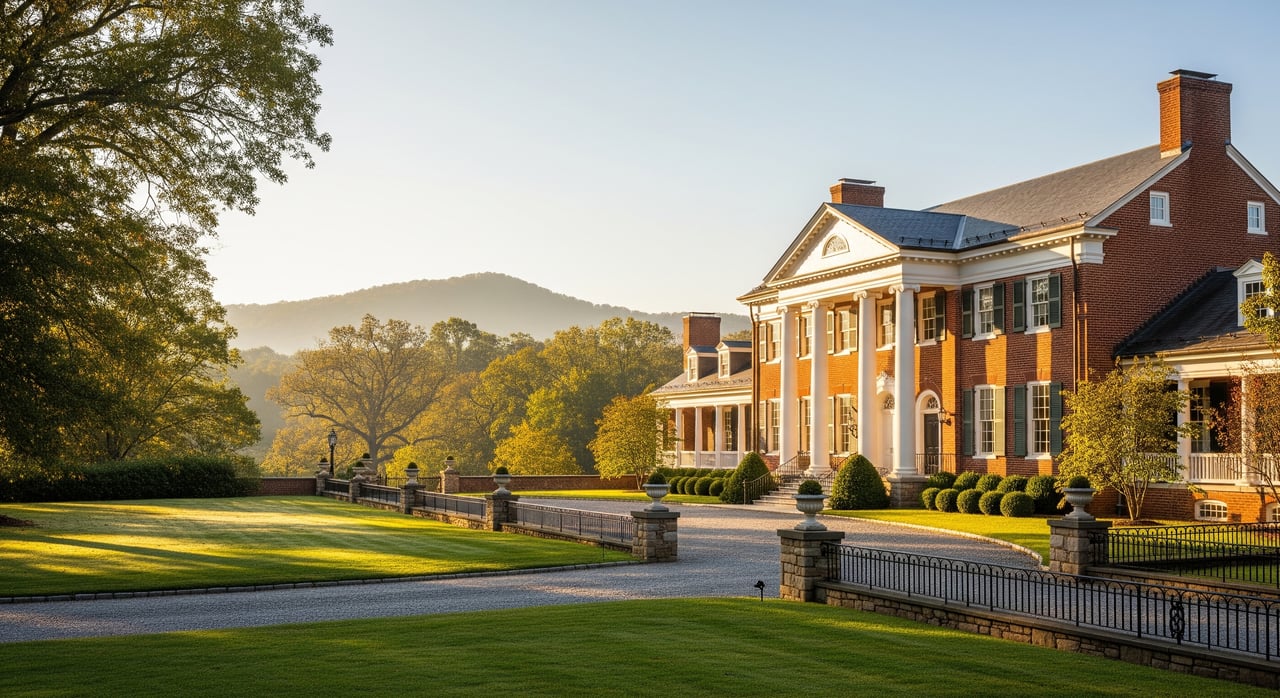
Thinking about trading a big-city rush for a small, walkable place with real character? In Lexington, Virginia, you get a historic downtown, college energy, and quick access to mountains and rivers. If you are considering a move, you likely want a clear picture of daily life, housing, commutes, and what it takes to settle in. This guide gives you the essentials, plus local resources to help you plan with confidence. Let’s dive in.
Lexington, VA at a glance
Lexington is an independent city in the Shenandoah Valley, surrounded by Rockbridge County. The city’s two colleges, Washington and Lee University and Virginia Military Institute, shape much of the rhythm here and add year-round arts, lectures, and athletics. Downtown clusters around Main Street with 18th–19th-century architecture, small shops, and cafés.
You will find a compact footprint and a slower pace than larger cities, with short drives to daily services. For current population and demographic context, review the U.S. Census Bureau QuickFacts.
Daily rhythm and downtown
Downtown Lexington is easy to navigate on foot for dining, coffee, galleries, and errands. Many residents live within a quick drive of the courthouse area, and some walk into town from nearby neighborhoods. The overall vibe is calm most days, with busier weekends during campus events and seasonal tourism.
Nightlife is low-key and centered on restaurants, pubs, and college happenings. If you want late-night options like a major metro, you will likely drive to larger regional hubs.
Dining and local businesses
The food scene leans toward independently owned cafés, bakeries, and restaurants, from casual to white-tablecloth. You will also find specialty shops, antique stores, and small galleries that reflect Lexington’s historic setting and tourism draw. Grocery, pharmacy, and basic services are close at hand, with broader retail options in nearby cities if you want more variety.
Arts, events, and college energy
The colleges add a steady stream of public programming. You can explore campus museums, concerts, theatre productions, athletic contests, and visiting speakers, often open to the community.
- Check university programming through Washington and Lee University.
- Explore military history, museum exhibits, and public events at Virginia Military Institute.
Offerings can be seasonal, so it helps to keep an eye on event calendars.
Housing and neighborhoods
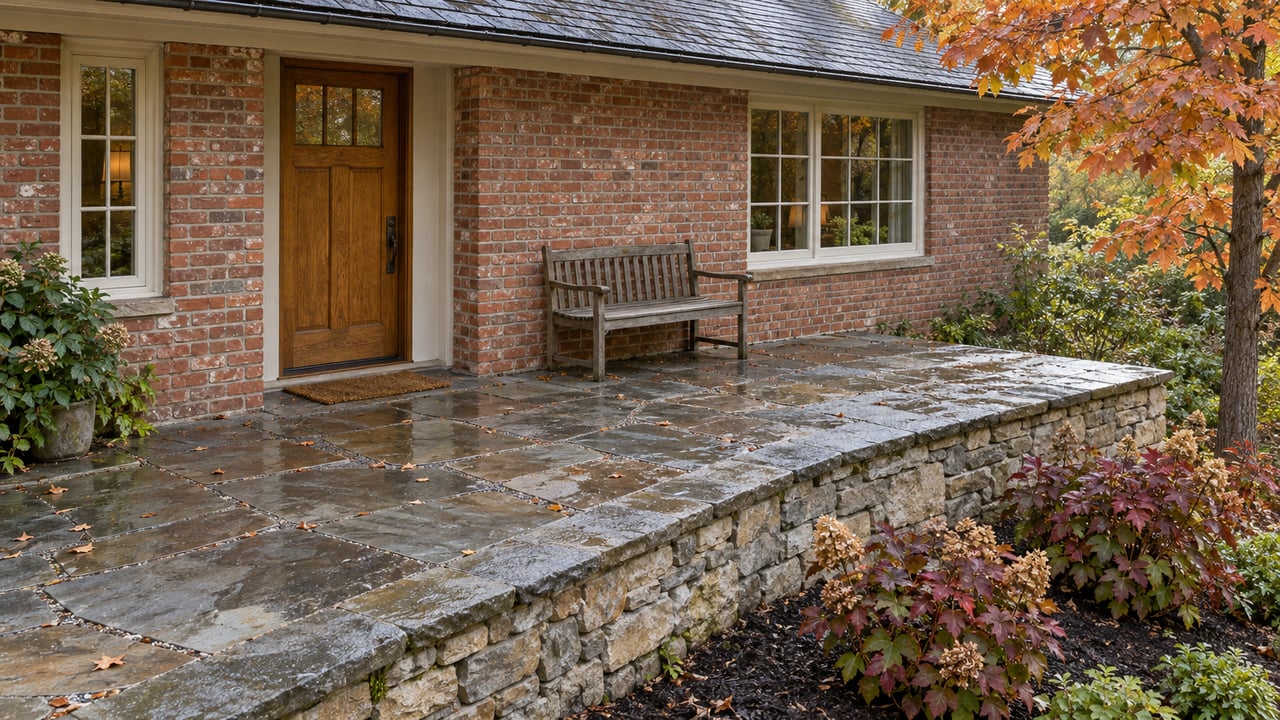
Lexington’s housing mix reflects its history and small-city scale. You will see everything from preserved 19th-century homes close to Main Street to midcentury streets and student-oriented rentals, plus rural properties in the county.
Historic homes near Main Street
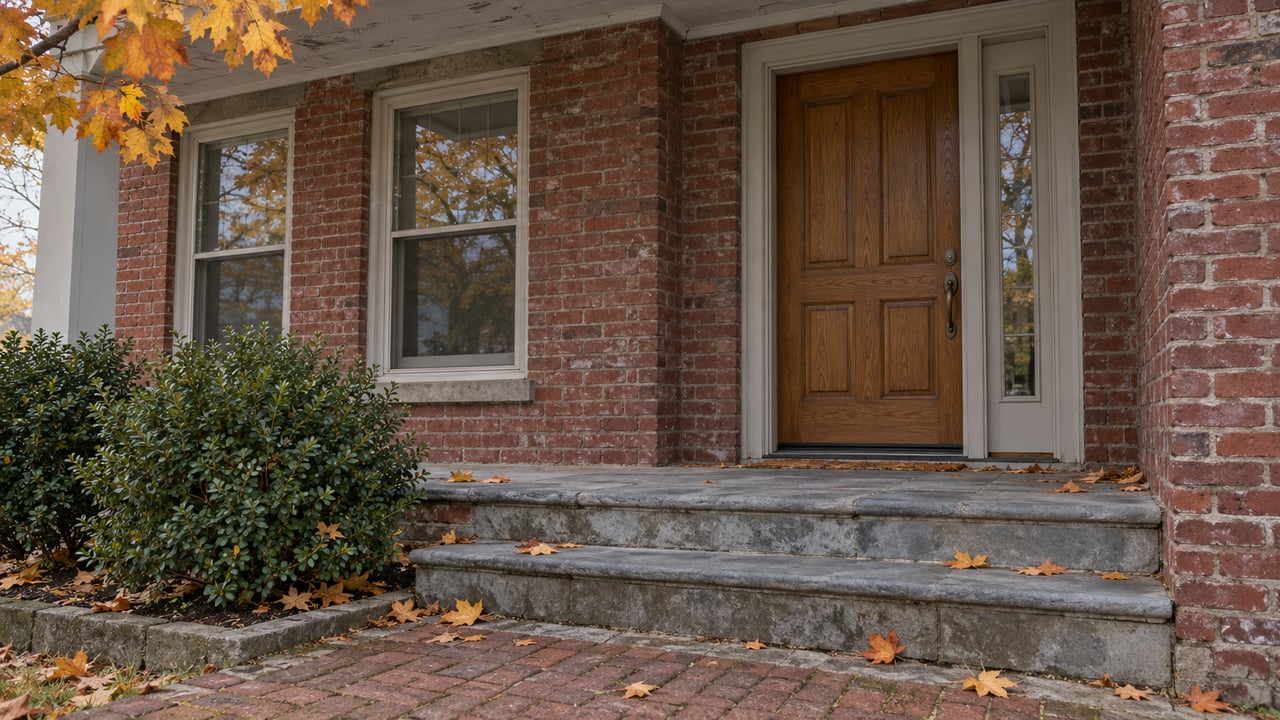
Walkable, architecturally distinctive houses sit close to the courthouse area and campuses. If you love character details, you may also want to plan for maintenance and potential renovation. Older systems and preservation guidelines can influence project scope and timing.
Midcentury streets and multifamily options
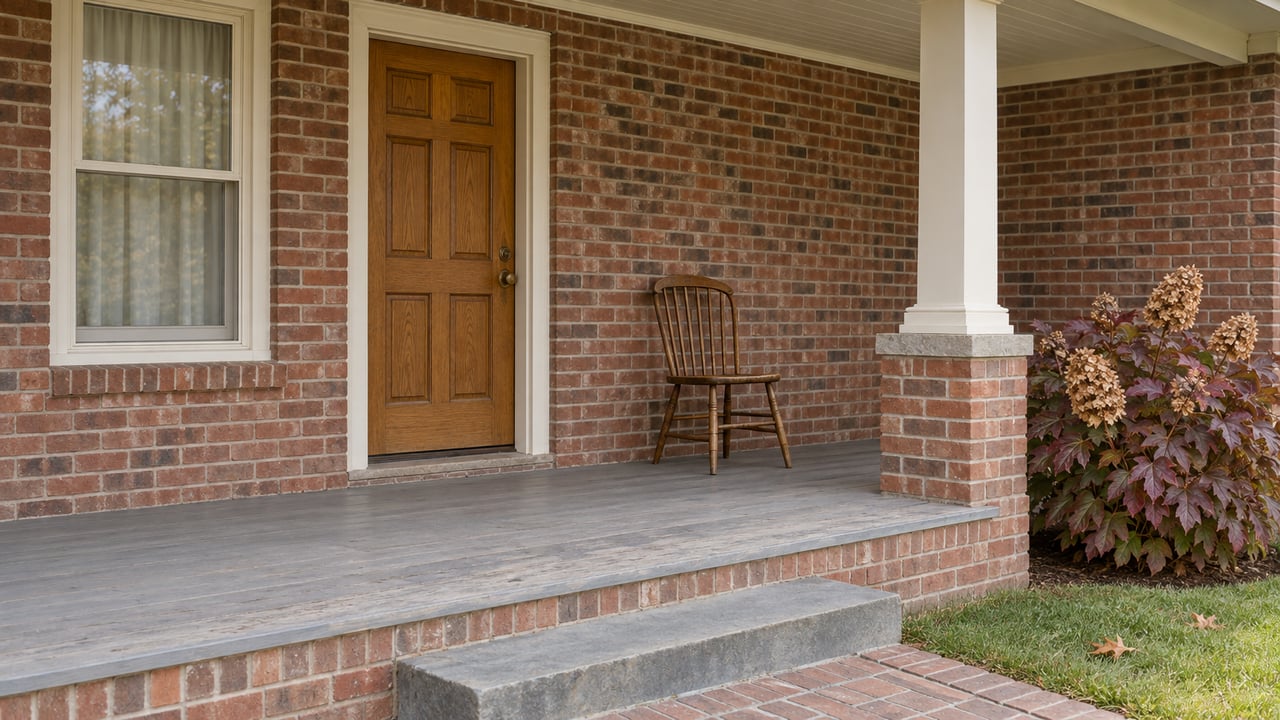
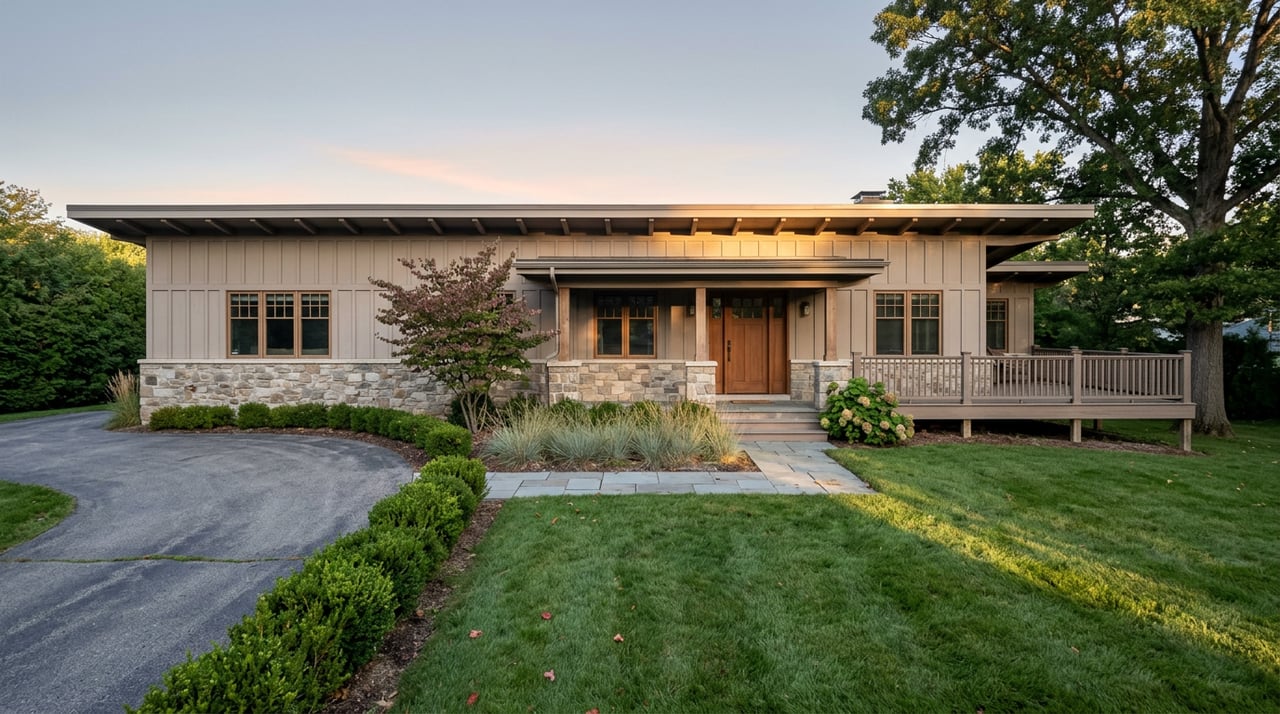
South and east of downtown, you will find pre-war and midcentury single-family homes on quieter streets. There are also duplexes and apartments that serve students, faculty, and local workers.
County living and acreage
Just outside city limits in Rockbridge County, buyers look for larger lots, newer subdivisions, or rural acreage. These properties appeal if you want space for gardens, workshops, or equestrian uses.
Buyer considerations to keep in mind:
- Seasonal dynamics can affect inventory, especially around college calendars.
- Downtown infill is limited, which can tighten supply in walkable areas.
- Investors participate in the market, especially near campuses.
Outdoor access and recreation
If you love the outdoors, Lexington puts you near rivers, forests, and scenic byways.
- The Maury River offers paddling and fishing, with local outfitters and access points.
- Natural Bridge State Park is a short drive for hiking and iconic scenery. Learn more via the Virginia Department of Conservation and Recreation’s Natural Bridge page.
- The region connects to the Shenandoah Valley’s trails and vistas, with additional state park options outlined by the Virginia Department of Conservation and Recreation.
Residents also enjoy community recreation programs and fitness studios. College sports provide local games to attend throughout the academic year.
Getting around and commuting
Personal vehicles are the norm in Lexington. Interstate 81 and nearby U.S. routes provide straightforward access through the Valley. Many people work locally in education, healthcare, retail, and professional services. Some commute to Staunton, Charlottesville, or Roanoke, and travel times depend on destination and traffic.
Public transit is limited compared with major metros. For air travel, you will typically drive to a regional or major airport.
Schools and learning
K–12 public education inside city boundaries is served by a small city school division. Areas outside Lexington are served by Rockbridge County Public Schools. For neutral data on enrollment, programs, and accountability reports, consult the Virginia Department of Education. Always verify details directly with the school division.
Higher education plays a civic role here. Museums, lectures, and performances on the W&L and VMI campuses add learning opportunities throughout the year.
Healthcare and essential services
Lexington has primary care and outpatient services in town. For specialty care and hospitals, most residents use regional facilities in nearby cities. If access to a specific specialist is important to you, call providers in advance to confirm availability.
Costs, taxes, and utilities
The overall cost of living tends to be lower than major Virginia metros, with housing as a key factor. Property taxes, local fees, and utility rates can change, so verify current figures with the City of Lexington and Rockbridge County if you are looking in surrounding areas.
Is Lexington a fit for you?
You might feel at home in Lexington if you want a slower daily pace with cultural depth, appreciate walkable historic streets, and value quick access to nature. If you prefer a large nightlife scene or need extensive public transit, you may find yourself driving to larger hubs for certain amenities. Many residents choose Lexington for its small-city feel, academic programming, and outdoor proximity.
Relocation tips and next steps
Use these steps to plan a smooth move:
- Visit in different seasons. Experience a quiet winter weekday and a busy fall weekend to see both sides of the rhythm.
- Decide your lifestyle priorities. Walkability, yard size, renovation potential, or privacy on acreage will guide your search.
- Map your commute and errands. Test-drive school, work, and shopping routes at typical times of day.
- Understand home age and upkeep. Many properties are older, which can mean inspections and planned improvements.
- Watch seasonality. Inventory can shift around campus move-in and graduation periods.
- Get preapproved early. A clear budget helps you move quickly when the right home appears.
- Plan for updates. If you want to reconfigure or refresh a home, factor design and contractor timelines into your move-in date.
When you are ready to explore properties or discuss pre-listing improvements, work with a local broker who blends transaction expertise with design-forward preparation. With integrated support, you can spot value, plan updates, and make confident decisions.
If you want personal guidance on neighborhoods, renovation potential, and timing, reach out to Mary Beth Harris. Let me help you find a house and create a home.
FAQs
Is Lexington, VA walkable for daily errands?
- Downtown is compact and pedestrian-friendly for dining, coffee, and small shops, while most residents use a car for broader errands and commuting.
What is the commute like from Lexington to nearby cities?
- Interstate and state routes offer direct access, and many people work locally while some commute to Staunton, Charlottesville, or Roanoke depending on job location.
How active is the arts and events scene in Lexington?
- The colleges power much of the calendar with concerts, theatre, lectures, museums, and athletics, with offerings that ebb and flow around academic schedules.
What kinds of homes are common in Lexington?
- You will find historic houses near downtown, midcentury neighborhoods, student-oriented rentals, and rural properties with larger lots in Rockbridge County.
What outdoor activities are close to Lexington?
- Residents enjoy the Maury River for paddling and fishing, plus hiking at places like Natural Bridge State Park and other regional state park options.
Where can I find neutral information about local schools?
- Review enrollment, programs, and state reports at the Virginia Department of Education website and confirm details directly with the school divisions.